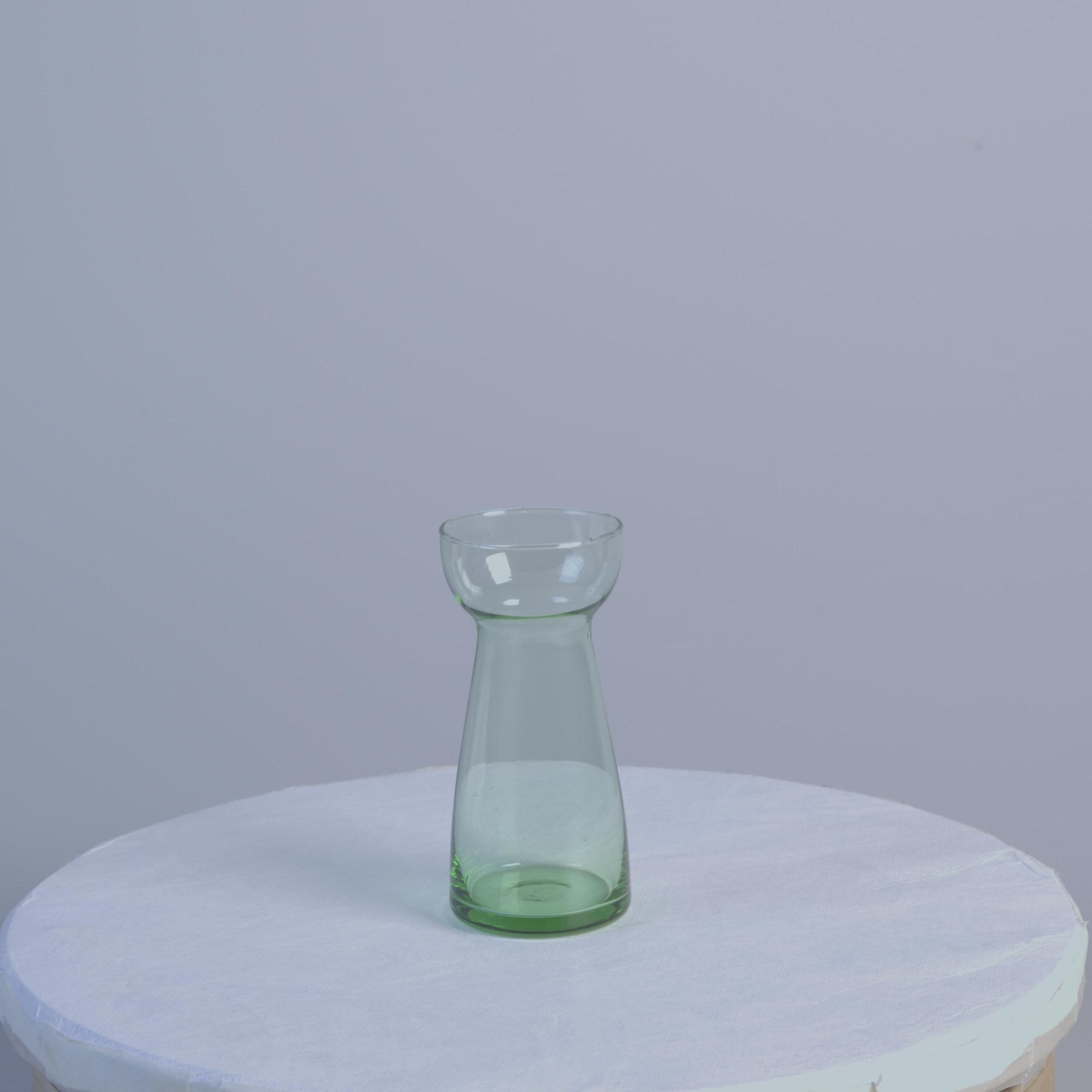
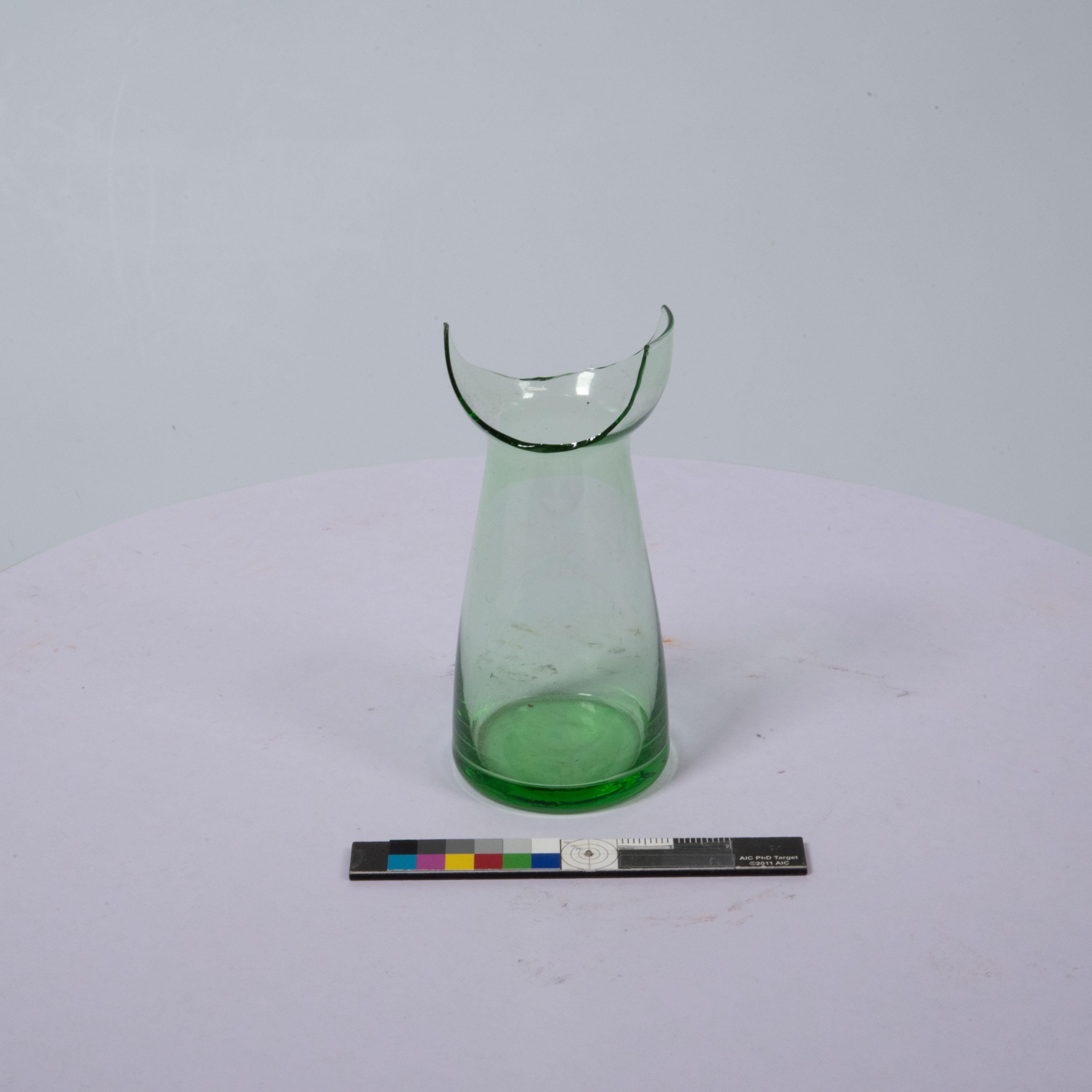
Figure 1: Before and after image of the Crocus vase.
Project Details
- Object owner: Private collectie
- Date: 1945-1981
- Period: 20e eeuw
-
Dimensions:
- Hoogte: 9 cm
- Diameter: 3 cm
-
Materials:
- Hxtal NYL-1
- Aceton
- Demiwater
Restoration treatment
This small green glass crocus vase — a miniature bulb vase, just nine centimetres tall, in which a single crocus was once grown with its roots dangling into the water — came to me with its delicate flared rim broken. Two clean sherds had snapped off either side of the protruding top, fitting back together perfectly with nothing missing or deformed. The vase was otherwise stable, if dusty inside. The owner's wish was simple: re-adhere the pieces to restore the vase's appearance and prevent the loose fragments from drifting apart and getting lost.
Identifying the vase proved more intriguing than treating it. It was unknown who produced the glass. This was possibly done by Kristalunie Maastricht, Glasfabriek Leerdam or Rimac. The size of the vase most closely matches the 'Jolly' model made by Rimac between 1945 and 1981 — yet it glows a vivid green under UV light, as can be seen in figure 3, which could suggest the presence of uranium in the glass. If that proves true, Rimac is less likely, since uranium was only used in glass until the 1940s.
For the repair, the choice of adhesive was crucial, as with clear glass the fracture line is the most visible part of any restoration. To test the best method of bonding, a test glass was broken into pieces and 3 different options were tested: (1) Hxtal NYL-1 epoxy on its own, (2) Hxtal NYL-1 epoxy with a barrier layer of 17% Paraloid B-72 and (3) Hxtal NYL-1 epoxy with a barrier layer of 3% Paraloid B-72. A barrier layer makes a repair easier to undo in the future, but under the microscope, the pure epoxy produced the least visible line. Because the owner had requested the most aesthetically pleasing result, the inside of the vase was cleaned with demineralized water and the shards were bonded by means of capillary action with Hxtal NYL-1 without a barrier layer.
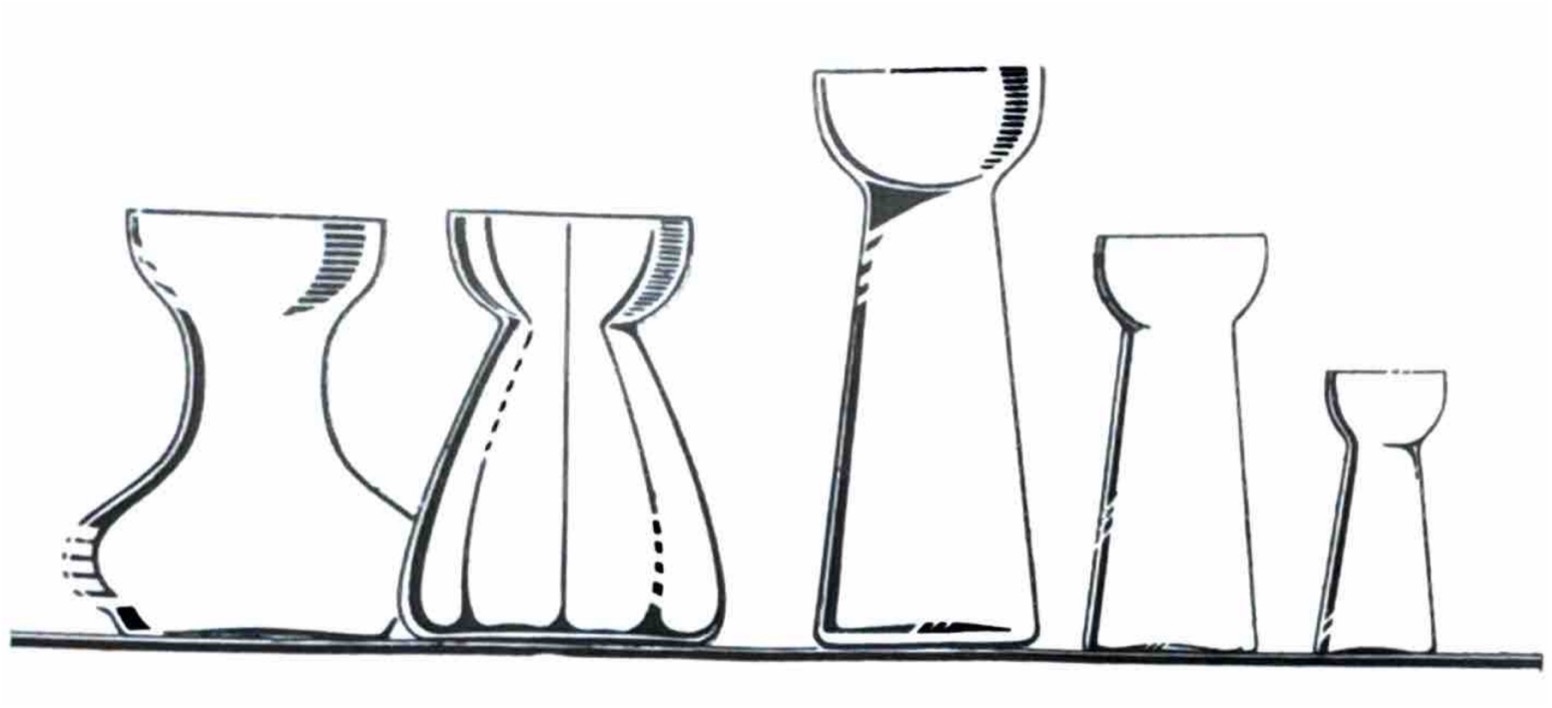
Figure 2: The range of hyacinth vases produced in Leerdam.
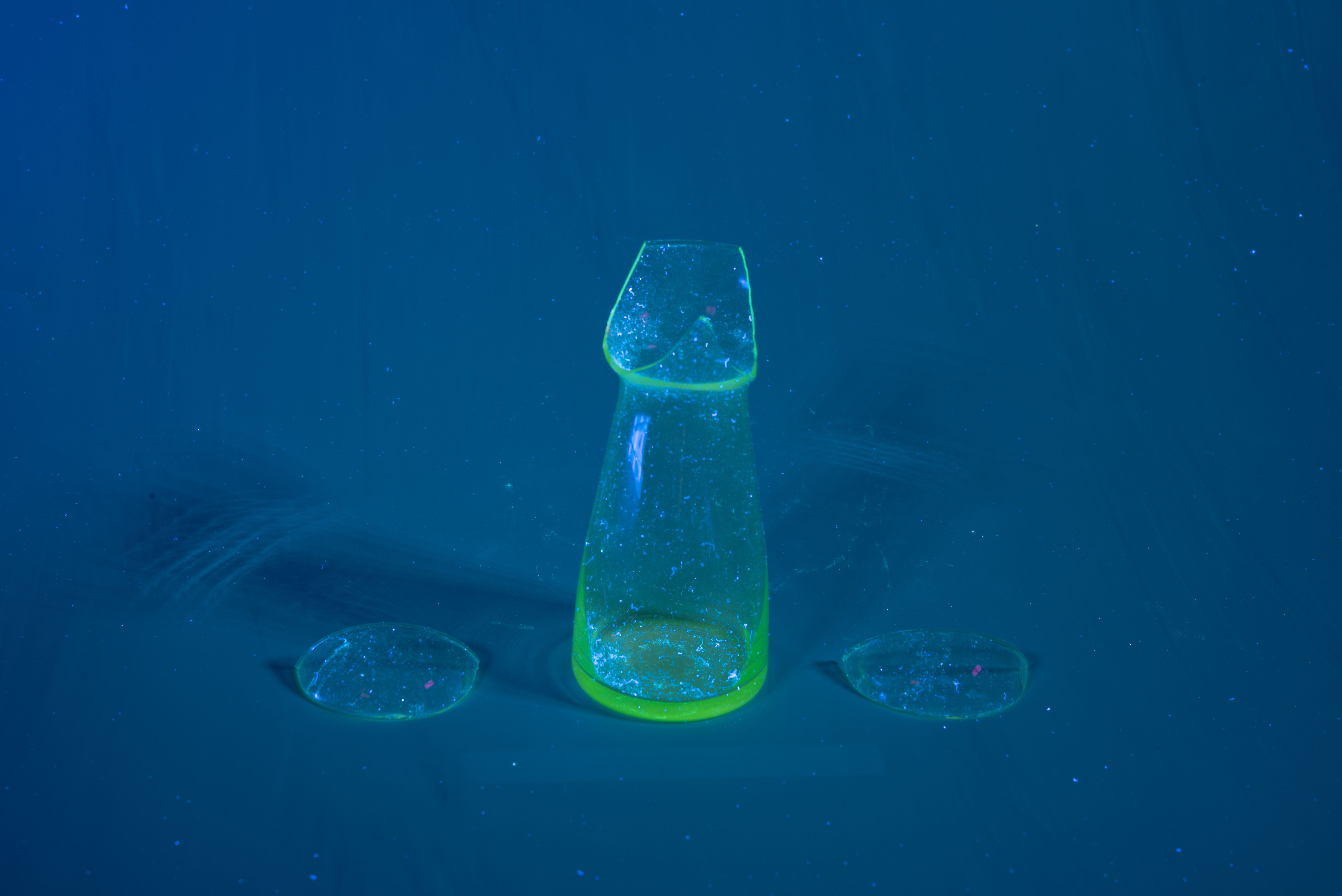
Figure 3: The glass under UV-light.